

Introduction
Caring for a loved one at home can be both rewarding and challenging. Many families find themselves juggling personal responsibilities while ensuring their loved ones receive proper care. This is where a home health aide becomes invaluable. A home health aide provides professional assistance that goes beyond basic caregiving. They help with daily living activities, provide companionship, and support the patient’s physical and emotional health.
Hiring a home health aide ensures your loved one is safe, comfortable, and properly cared for, all while giving family members peace of mind. In this article, we will explore the roles, benefits, costs, career path, and essential tips for hiring or becoming a home health aide.
What is a Home Health Aide?

A home health aide is a trained professional who provides support and care to patients in their own homes. Unlike nurses, they do not perform complex medical procedures, but they are essential in maintaining daily well-being. Their main goal is to help patients lead safe, independent, and comfortable lives at home.
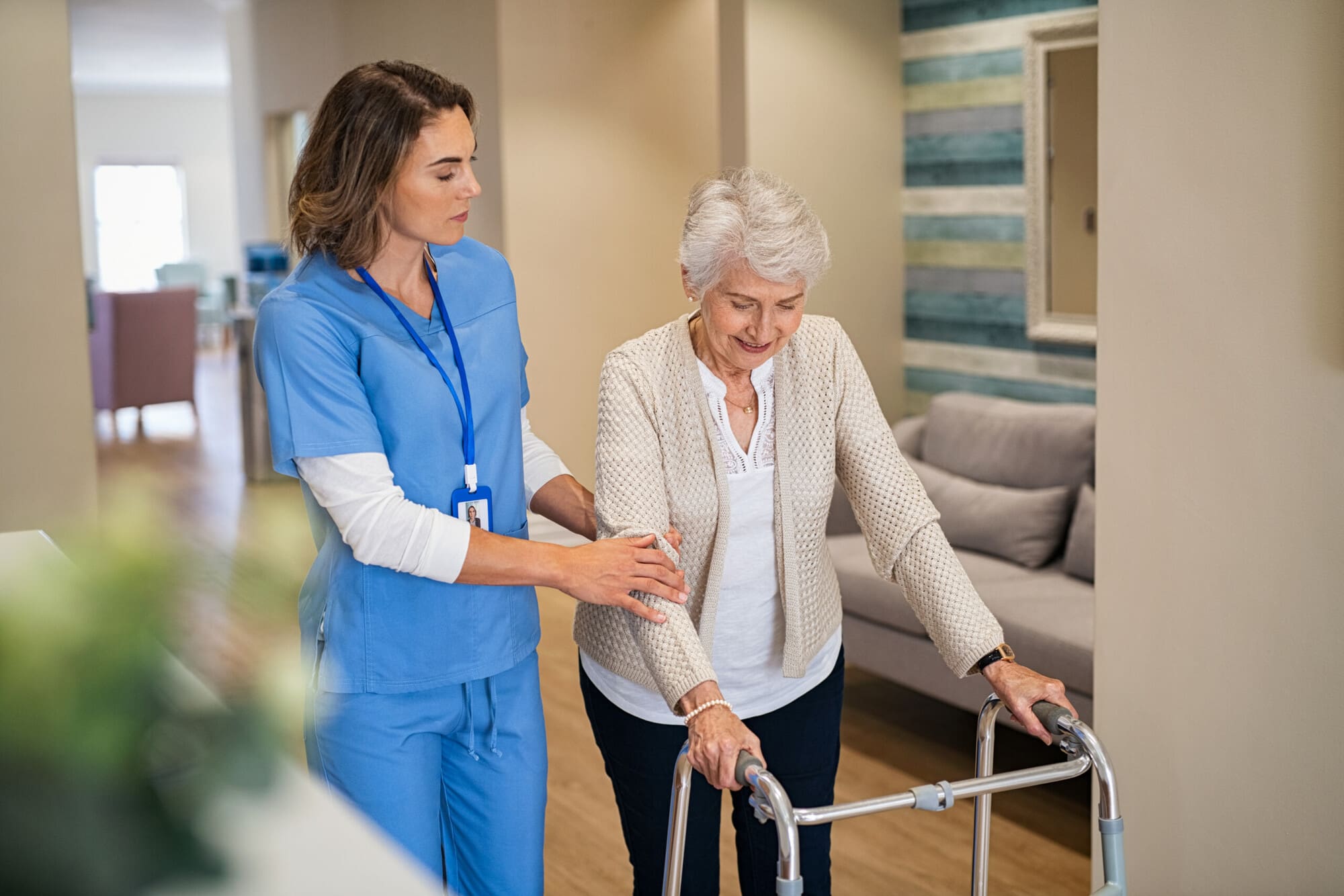
Home health aides are skilled in tasks such as helping patients with bathing, dressing, and grooming, preparing meals, assisting with mobility, and monitoring basic health conditions like blood pressure or glucose levels. Their support allows patients to remain in a familiar environment, which improves recovery and overall quality of life.
Key Responsibilities Include:
- Assisting with personal hygiene, grooming, and dressing
- Preparing nutritious meals and managing dietary needs
- Helping with mobility and exercise routines
- Providing medication reminders and reporting any health changes
- Offering companionship and emotional support to reduce feelings of isolation
The Importance of Home Health Aides
The role of a home health aide is becoming increasingly important as the population ages and more people prefer home-based care. They fill the gap between family support and professional healthcare services, ensuring patients receive consistent attention.
- Personalized Care: A home health aide provides one-on-one support tailored to the individual’s specific needs, which is difficult to achieve in institutional settings.
- Comfort of Home: Patients often recover faster and feel emotionally secure when cared for in their own home environment.
- Cost-Effective: Compared to long-term care facilities or hospitals, hiring a home health aide can be more affordable while providing high-quality care.
- Relief for Families: Family members often experience stress and burnout. A professional aide helps reduce this burden while ensuring consistent care.
- Consistency in Care: Patients benefit from a familiar caregiver who understands their routines, preferences, and medical requirements.
Daily Tasks of a Home Health Aide
A typical day for a home health aide may vary depending on patient needs, but most follow a structured routine that combines personal care, health support, and companionship.
Morning:
- Assisting patients with waking up, brushing teeth, bathing, and dressing
- Preparing and serving breakfast, ensuring the patient’s dietary needs are met
- Checking vital signs, such as blood pressure, pulse, and temperature
Afternoon:
- Helping with light exercise or mobility activities
- Assisting with household chores related to patient care
- Monitoring medication schedules and ensuring adherence
Evening:
- Preparing dinner and assisting with hygiene before bedtime
- Providing emotional support through conversation or recreational activities
- Reporting any significant health changes to a supervising nurse or family member
These tasks may seem simple, but they are crucial for the patient’s overall well-being, especially for those recovering from illness or living with chronic conditions.
How to Become a Home Health Aide
For those considering a career in caregiving, becoming a home health aide can be fulfilling. It combines empathy, patience, and practical skills.
Steps to Start a Career:
- Complete a Training Program: Training programs usually last 4–12 weeks and cover personal care, safety, and basic healthcare skills.
- Pass a Competency Exam: Many states require both a written and practical exam to ensure proficiency.
- Obtain Certification: Certification, such as CHHA (Certified Home Health Aide), improves employment prospects.
- Gain Experience: On-the-job experience is crucial for building confidence and mastering caregiving skills.
Essential Skills for a Home Health Aide:
- Empathy and patience to handle challenging situations
- Strong communication skills to interact with patients and families
- Basic medical knowledge for monitoring health conditions
- Physical stamina to assist with mobility and daily care
Home Health Aide vs. Caregiver
While the terms are often used interchangeably, there are distinctions worth noting.
| Aspect | Home Health Aide | Caregiver |
|---|---|---|
| Medical Training | Basic clinical training | Usually no formal medical training |
| Duties | Personal care, health monitoring | Daily living support, companionship |
| Certification | Often required by law | Optional |
| Employment Setting | Agencies, private homes | Private families, informal work |
Home health aides are generally more regulated and trained in basic healthcare tasks, whereas caregivers may focus primarily on household assistance and companionship.
Benefits of Hiring a Home Health Aide

Hiring a home health aide can dramatically improve the quality of life for patients and their families.
- Safety: Aides help prevent falls and accidents, which are common among elderly or immobile patients.
- Health Management: Timely medication reminders and monitoring of vital signs ensure better health outcomes.
- Mental Health Support: Companionship reduces loneliness and promotes emotional well-being.
- Flexibility: Care plans can be adjusted to suit evolving patient needs.
- Family Relief: Family members can maintain their responsibilities while ensuring their loved one receives professional care.
Cost of Home Health Aide Services
The cost of hiring a home health aide varies based on factors like location, level of care, and hours required. On average:
| Service Type | Cost per Hour (USD) | Notes |
|---|---|---|
| Non-Medical Care | $20–$30 | Personal care, companionship |
| Skilled Care | $30–$45 | Health monitoring, chronic care |
| Live-In Care | $200–$350/day | Full-time support, 24/7 availability |
Insurance coverage, Medicare, and Medicaid may cover part of the cost depending on patient eligibility, making professional in-home care more accessible.
How to Choose the Right Home Health Aide
Selecting the right home health aide is vital for ensuring quality care. Families should consider the following:
- Verify Credentials: Ensure proper training, certification, and references are available.
- Interview Thoroughly: Ask about experience with similar health conditions.
- Trial Period: Start with a few hours to gauge compatibility and quality of care.
- Communication Skills: The aide should be able to report health changes and follow instructions carefully.
- Trust and Rapport: A strong relationship is key for patient comfort and cooperation.
Common Misconceptions About Home Health Aides
Misconception 1: They are only for the elderly.
Reality: Home health aides assist patients of all ages, including post-surgery recovery, chronic illness, and disability care.
Misconception 2: They provide full medical care like nurses.
Reality: Their role focuses on personal care and monitoring, not advanced medical procedures.
Misconception 3: Hiring a home health aide is too expensive.
Reality: Home health aides can reduce hospital visits and long-term care costs, often making them a more cost-effective solution.
Technology and the Future of Home Health Aides
The future of home health care is evolving rapidly with technology. Telehealth, wearable devices, and mobile monitoring apps allow aides to track patients’ health in real time. This enables timely interventions, reduces hospitalizations, and increases patient safety.
Home health aides are expected to play a key role in integrating technology into patient care, improving efficiency and outcomes. They also contribute to personalized care plans, helping patients remain independent while staying connected to healthcare providers.
FAQs About Home Health Aides
Q1: Do home health aides provide medical care?
A1: They provide basic health monitoring and medication reminders but do not perform advanced medical procedures.
Q2: How many hours can a home health aide work?
A2: Hours vary by patient needs. Some aides work part-time, full-time, or live-in schedules for 24-hour care.
Q3: Can I hire a home health aide without an agency?
A3: Yes, but agencies provide verified training, background checks, insurance, and ongoing support.
Q4: Is certification mandatory?
A4: Certification is required in most states for aides working under Medicare or Medicaid.
Q5: How much does a home health aide cost?
A5: Costs range from $20–$45 per hour depending on the service level, with live-in care being more expensive.
Conclusion
A home health aide is more than just a caregiver—they are a trusted companion, a source of emotional support, and a professional who ensures safety and well-being. Whether you are considering hiring one for a loved one or pursuing a career in home care, understanding their role and benefits is essential.
By hiring a qualified home health aide, families can ensure that their loved ones receive personalized attention, professional care, and the comfort of staying at home. With the right training, compassion, and dedication, home health aides make a meaningful difference in the lives of those they care for every day.
Read More:-