

Introduction
In the world of biology, communication is not limited to humans or animals—it exists at the cellular level too. Every second, billions of cells inside the human body are sending and receiving messages to maintain balance, respond to changes, and ensure survival. This communication system is highly organized and incredibly precise. Scientists study and enhance this system through cell signaling technology, which has become a cornerstone of modern biotechnology and medical research.
At its core, cellular communication determines how cells grow, divide, repair, and even die. Without proper signaling, the body would fall into chaos. Diseases such as cancer, diabetes, and autoimmune disorders often arise due to disruptions in these communication pathways. That’s why understanding and improving these processes has become one of the most important areas in science today.
What Is Cell Signaling?
Cell signaling refers to the process by which cells communicate with each other using chemical signals. These signals are typically molecules like hormones, proteins, or ions that bind to receptors on the surface of cells. Once the signal is received, it triggers a series of internal reactions that lead to a specific response.
In simple terms, it works like a message delivery system. One cell sends a message, another cell receives it, processes it, and then reacts accordingly. Scientists use cell signaling technology to study these interactions in detail, allowing them to understand how cells behave in both normal and diseased states.
Simple Flow of Cell Signaling:
Signal Molecule → Receptor → Internal Cascade → Cellular Response
This basic flow helps explain how even the smallest signals can lead to major biological outcomes.
Why Cell Signaling Is Important
Cell signaling is essential for maintaining life. It controls almost every function in the body, from growth and metabolism to immune responses and brain activity. When signaling works correctly, the body functions smoothly. When it fails, diseases can develop.
One major reason this field is so important is its role in disease detection and treatment. Researchers rely on cell signaling technology to identify where communication breaks down and how to fix it.
Key Importance Explained
- Regulates Growth: Cells know when to grow and divide.
- Maintains Balance: Keeps internal conditions stable.
- Supports Immunity: Helps the body fight infections.
- Controls Cell Death: Removes damaged or harmful cells.
Each of these functions is vital, and even a small disruption can have serious consequences.
Types of Cell Signaling
Cells communicate in different ways depending on their location and purpose. Understanding these types helps researchers design better therapies and experiments.
1. Autocrine Signaling
In this type, a cell sends signals to itself. It is commonly seen in cancer cells, where they continuously stimulate their own growth. This self-communication can lead to uncontrolled cell division.
2. Paracrine Signaling
Here, cells communicate with nearby cells. This type is crucial in wound healing and immune responses, where quick local communication is needed.
3. Endocrine Signaling
This involves long-distance communication through hormones traveling in the bloodstream. For example, insulin regulates blood sugar levels throughout the body.
4. Juxtacrine Signaling
This occurs through direct contact between cells. It is especially important in immune system responses and tissue development.
Scientists analyze all these types using cell signaling technology to understand how different communication methods affect biological functions.
How Cell Signaling Works
The process of cell signaling can be broken down into three main stages. Each stage plays a critical role in ensuring the message is delivered accurately.
1. Reception
This is the first step where a signaling molecule binds to a receptor on the cell surface. The receptor recognizes the signal and activates the process.
2. Transduction
In this stage, the signal is passed inside the cell through a chain of proteins and enzymes. This creates a cascade effect, amplifying the signal.
3. Response
Finally, the cell produces a response. This could include gene activation, protein production, or changes in cell behavior.
Three-Step Process:
Reception → Transduction → Response
This structured pathway ensures that signals are processed efficiently and accurately.
Components of Cell Signaling
Understanding the key components helps simplify this complex process. Each component has a specific role in ensuring proper communication.
| Component | Function Description |
|---|---|
| Ligands | Act as signaling molecules |
| Receptors | Detect and bind signals |
| Secondary Messengers | Amplify signals within the cell |
| Proteins/Enzymes | Transfer and process the signal |
| Target Molecules | Execute the final cellular response |
These components work together in a coordinated manner. Researchers use cell signaling technology to study each part in detail and understand how they interact.
Applications in Modern Science
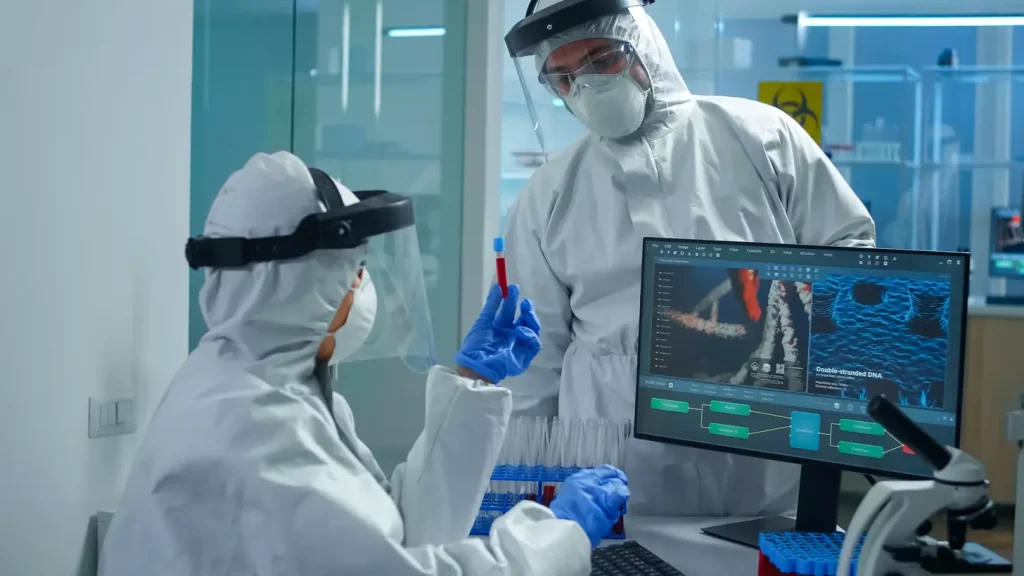
The applications of cell signaling research are vast and continuously expanding. This field has revolutionized how we approach medicine and biotechnology.
Drug Development
Pharmaceutical companies design drugs that target specific signaling pathways. This allows for more effective treatments with fewer side effects.
Cancer Research
Cancer often involves abnormal signaling pathways. By studying these pathways, scientists can develop therapies that block tumor growth.
Immunotherapy
This approach uses the body’s immune system to fight diseases. By modifying signaling pathways, researchers can enhance immune responses.
Neuroscience
Understanding how brain cells communicate helps in treating neurological disorders such as Alzheimer’s and Parkinson’s disease.
All these advancements are made possible through cell signaling technology, which provides detailed insights into cellular processes.
Tools and Techniques Used
To study cell signaling, scientists rely on advanced tools and techniques. These tools help them observe, measure, and analyze cellular interactions.
Common Techniques
- Western blotting for protein detection
- Flow cytometry for cell analysis
- ELISA for measuring proteins and antibodies
- Microscopy for visualizing cells
- PCR for studying genetic material
Why These Tools Matter
These techniques allow researchers to:
- Identify signaling pathways
- Measure signal strength
- Detect abnormalities
Modern cell signaling technology integrates these tools with automation and data analysis systems to improve accuracy and efficiency.
Advantages of Cell Signaling Technology
This field offers several benefits that make it essential in modern science and medicine.
Key Benefits Explained
- Precision Medicine: Treatments can be tailored to individual patients.
- Faster Research: Accelerates the discovery of new drugs.
- Better Diagnosis: Helps detect diseases early.
- Improved Understanding: Provides deeper insights into complex biological systems.
These advantages highlight why cell signaling technology is considered a game-changer in healthcare.
Challenges and Limitations
Despite its many benefits, there are challenges that researchers must overcome.
Common Challenges
- Complex signaling networks are difficult to map
- High cost of advanced equipment
- Requires skilled professionals
- Data interpretation can be complicated
Even with advanced tools, scientists must carefully analyze results to avoid errors and misinterpretations.
Future Trends and Innovations
The future of cell signaling research is promising. New technologies are expected to make this field even more powerful and accessible.
Emerging Trends
Artificial Intelligence:
AI will help analyze complex data faster and more accurately.
Personalized Medicine:
Treatments will be customized based on individual genetic profiles.
Nanotechnology:
Tiny devices may deliver signals directly to specific cells.
Advanced Imaging:
Real-time visualization of cell communication will become more common.
These innovations will further enhance the capabilities of cell signaling technology, making it even more impactful in solving global health challenges.
Real-Life Example
Consider cancer treatment as a real-world example. Cancer cells often send continuous signals to grow and divide uncontrollably. Scientists develop drugs that block these signals, effectively stopping tumor growth.
This targeted approach is only possible because of the insights gained from cell signaling technology, which allows researchers to understand and manipulate these pathways.
Beginner-Friendly Explanation

If you’re new to this topic, think of cell signaling like a messaging system:
- Cells are like people
- Signals are messages
- Receptors are phones
- Responses are actions taken after reading messages
Using this approach, scientists can “read,” “block,” or “modify” messages to control cellular behavior.
Quick Summary
What You Should Remember:
- Cells communicate through chemical signals
- Signaling controls vital body functions
- Errors in signaling can cause diseases
- Technology helps study and improve these processes
FAQs
1. What is cell signaling technology used for?
It is used to study how cells communicate and to develop treatments for diseases like cancer and diabetes.
2. Why is cell signaling important?
It controls essential functions such as growth, immune response, and cell survival.
3. How does it help in medicine?
It helps create targeted therapies that are more effective and have fewer side effects.
4. Is it used in everyday healthcare?
Yes, many modern treatments and diagnostic tools rely on cell signaling research.
5. What is the future of this field?
The future includes AI-driven analysis, personalized medicine, and advanced drug development.
Conclusion
Cellular communication is one of the most fascinating and important processes in biology. It governs how cells behave, interact, and respond to their environment. With advancements in cell signaling technology, scientists can now study these processes in incredible detail, leading to breakthroughs in medicine and biotechnology.
From developing targeted cancer therapies to understanding complex diseases, this field continues to shape the future of healthcare. As technology evolves, we can expect even more innovative solutions that improve human health and quality of life.
Understanding how cells communicate not only deepens our knowledge of life but also opens the door to endless possibilities in science and medicine.
Read More:-