

Introduction
Understanding taxation in a foreign country can feel overwhelming, especially when it involves property ownership. If you are a foreign investor or an individual who owns real estate in Russia, you must clearly understand how russian tax law property tax rates non resident works. This knowledge not only helps you stay compliant with legal requirements but also ensures that you avoid penalties and manage your finances efficiently.
Russia has a structured taxation system that applies to both residents and non-residents. However, there are some key differences in terms of benefits, deductions, and obligations. In this detailed guide, we will break down everything you need to know in simple language, including tax rates, calculation methods, legal responsibilities, and practical tips.
What Is Property Tax in Russia?

Property tax in Russia is a mandatory annual payment imposed on individuals and organizations that own real estate within the country. This includes residential, commercial, and land properties. For foreign owners, the rules fall under russian tax law property tax rates non resident, which outlines how taxes are calculated and applied.
Property tax is based on the cadastral value of the property, which is determined by the government. This value is intended to reflect the market value, although it may sometimes differ slightly. The tax applies regardless of whether the property is used, rented, or left vacant.
In simple terms, if you own property in Russia, you are required to pay property tax every year, even if you are not living in the country.
Who Qualifies as a Non-Resident?
In Russia, tax residency is determined based on the number of days an individual spends in the country. If you stay in Russia for less than 183 days within a 12-month period, you are considered a non-resident.
This classification is important because it affects how russian tax law property tax rates non resident is applied to you. While property tax rates are generally similar for residents and non-residents, other aspects such as tax benefits and deductions may differ.
Non-residents are usually foreign nationals or Russian citizens living abroad. Even if you visit Russia occasionally, your tax status will depend on your total stay duration.
Types of Property Subject to Tax
Non-residents must pay property tax on various types of real estate they own in Russia. These include both residential and non-residential properties.
Common Property Categories:
- Residential apartments and houses – taxed at lower rates, typically used for living purposes
- Commercial properties – such as offices, shops, and warehouses, usually taxed at higher rates
- Garages and parking spaces – considered separate taxable assets
- Land plots – taxed based on land category and usage
Each of these categories falls under the framework of russian tax law property tax rates non resident, and the applicable tax rate depends on the type and value of the property.
How Property Tax Is Calculated
The calculation of property tax in Russia is straightforward. It is based on the cadastral value of the property and the applicable tax rate.
Formula:
Property Tax = Cadastral Value × Tax Rate
The cadastral value is assessed by government authorities and updated periodically. It is important to check this value regularly, as any changes can directly affect your tax liability.
Under russian tax law property tax rates non resident, the same formula applies to foreign owners. However, the final amount depends on the category of property and local regulations set by regional authorities.
Property Tax Rates for Non-Residents

Tax rates in Russia vary depending on the type and value of the property. These rates are generally set by local governments within limits defined by federal law.
Property Tax Rates Overview
| Property Type | Tax Rate Range | Explanation |
|---|---|---|
| Residential Property | 0.1% – 0.3% | Lower rates to support housing affordability |
| High-Value Property | Up to 2% | Applied to luxury or expensive properties |
| Commercial Property | 0.5% – 2% | Higher rates due to income-generating potential |
| Land | 0.3% – 1.5% | Depends on land use and category |
These rates are part of russian tax law property tax rates non resident, ensuring that foreign property owners contribute fairly to the tax system.
Differences Between Residents and Non-Residents
While tax rates are similar, there are some differences between residents and non-residents.
Residents may receive certain tax benefits or deductions, especially for primary residences. Non-residents, on the other hand, generally do not have access to these benefits.
Under russian tax law property tax rates non resident, foreign owners are treated equally in terms of tax rates but may face stricter compliance requirements. This makes it important to stay informed and organized.
Payment Process and Deadlines
Property tax in Russia is paid annually. The tax authorities usually send a notification with the amount due.
Key Timeline:
- Tax notice issued: Mid-year
- Payment deadline: December 1 of the following year
Non-residents must ensure timely payment to avoid penalties. Even if you do not receive a notice, you are still responsible for paying the tax.
Managing payments under russian tax law property tax rates non resident is easier today due to online systems and digital banking options.
Penalties for Non-Compliance
Failing to pay property tax on time can result in penalties and interest charges.
Common consequences include:
- Late payment fines
- Accrued interest on unpaid tax
- Legal enforcement actions
Under russian tax law property tax rates non resident, non-residents are subject to the same penalties as residents. Therefore, staying compliant is essential.
Tax Benefits and Limitations
Non-residents have limited access to tax benefits in Russia. While residents may qualify for deductions or exemptions, foreign property owners generally do not.
However, some exceptions may apply depending on international agreements or specific circumstances. Understanding these rules is important when dealing with russian tax law property tax rates non resident.
Double Taxation Agreements
Russia has signed double taxation agreements (DTAs) with many countries. These agreements help prevent individuals from being taxed twice on the same income or property.
For non-residents, DTAs can provide relief by allowing tax credits or exemptions in their home country. This can significantly reduce the overall tax burden associated with russian tax law property tax rates non resident.
Practical Example of Tax Calculation
Let’s look at a simple example to understand how property tax is calculated.
Suppose you own an apartment with a cadastral value of 6,000,000 RUB, and the applicable tax rate is 0.2%.
Tax payable = 6,000,000 × 0.2% = 12,000 RUB annually
This example shows how straightforward the calculation is under russian tax law property tax rates non resident.
Common Mistakes to Avoid
Many non-residents make mistakes due to lack of awareness or misunderstanding of tax rules.
Avoid These Errors:
- Ignoring tax notices or deadlines
- Not checking updated cadastral values
- Assuming exemptions apply automatically
- Failing to keep payment records
Avoiding these mistakes can help you manage your obligations under russian tax law property tax rates non resident more effectively.
Tips for Managing Property Tax Efficiently
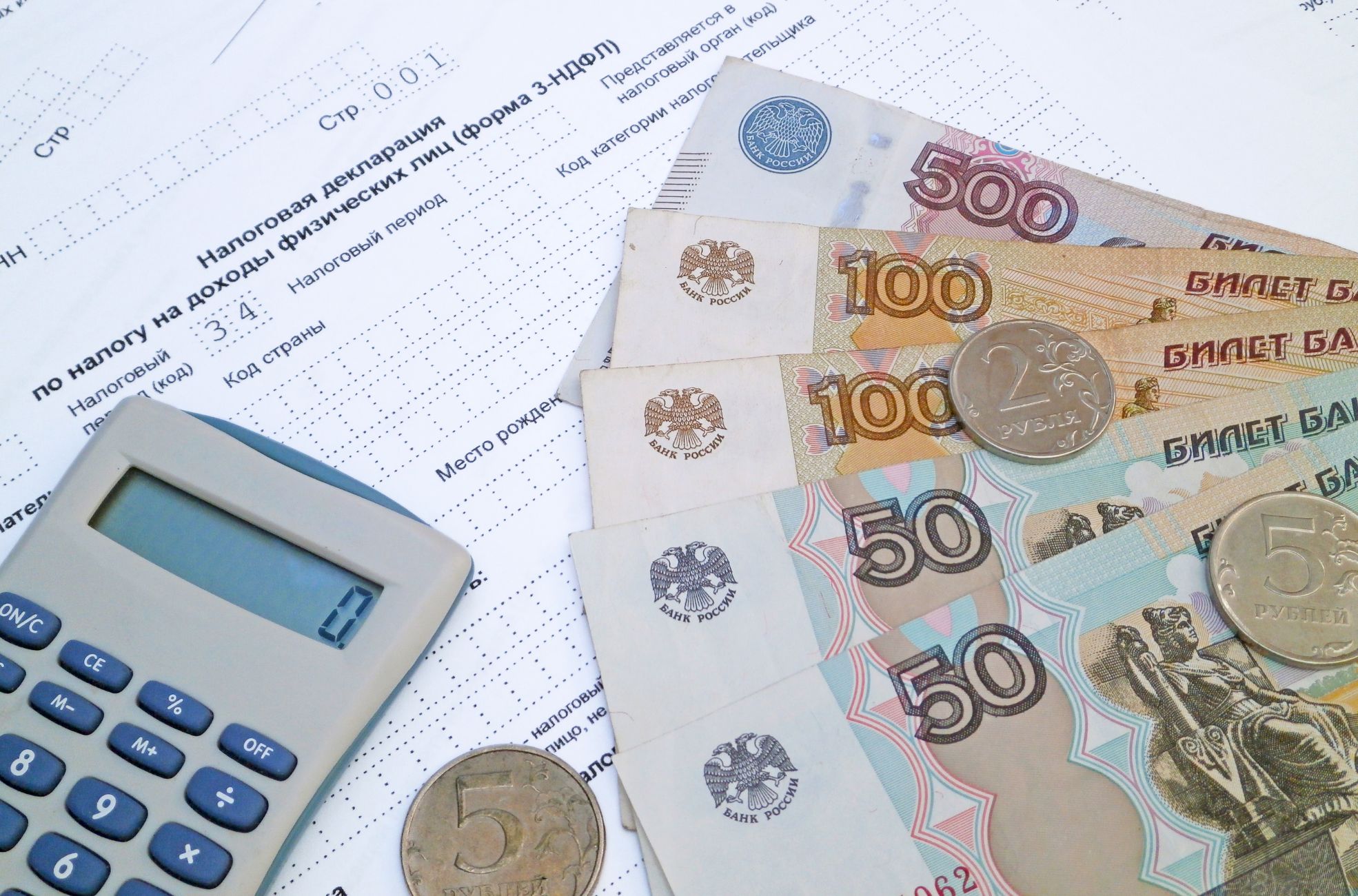
Managing property tax from abroad can be challenging, but a few practical steps can make it easier.
- Use online tax portals for payments and updates
- Keep digital records of all transactions
- Consult a tax professional if needed
- Monitor property valuation changes regularly
These strategies can simplify your experience with russian tax law property tax rates non resident and reduce stress.
What is property tax for non-residents in Russia?
It is an annual tax based on cadastral value applied to foreign property owners.What are the rates?
Rates range from 0.1% to 2%, depending on property type and value.When is it paid?
Usually by December 1 each year.
Key Highlights
- Property tax applies to all property owners, including foreigners
- Rates vary depending on property category
- Non-residents have limited tax benefits
- Timely payment helps avoid penalties and legal issues
FAQs
1. Do non-residents pay more property tax in Russia?
No, the tax rates are generally the same, but non-residents may not receive deductions or benefits.
2. How is cadastral value determined?
It is assessed by government authorities based on market conditions and property characteristics.
3. Can I manage property tax from abroad?
Yes, you can use online systems or appoint a representative in Russia.
4. What happens if I miss the payment deadline?
You may face fines, interest charges, and possible legal action.
5. Are there any tax-saving options?
Tax-saving options are limited, but double taxation agreements may provide relief.
Conclusion
Understanding russian tax law property tax rates non resident is essential for anyone who owns property in Russia but lives abroad. While the system may seem complex at first, it becomes manageable once you understand the key elements such as tax rates, calculation methods, and deadlines.
By staying informed and proactive, you can ensure compliance with Russian tax laws and avoid unnecessary penalties. Whether you are an investor or a private property owner, proper planning and awareness will help you manage your tax obligations smoothly and efficiently.
Read More:-Complete Guide to Rajasthan Public Service Exam Schedule 2025